
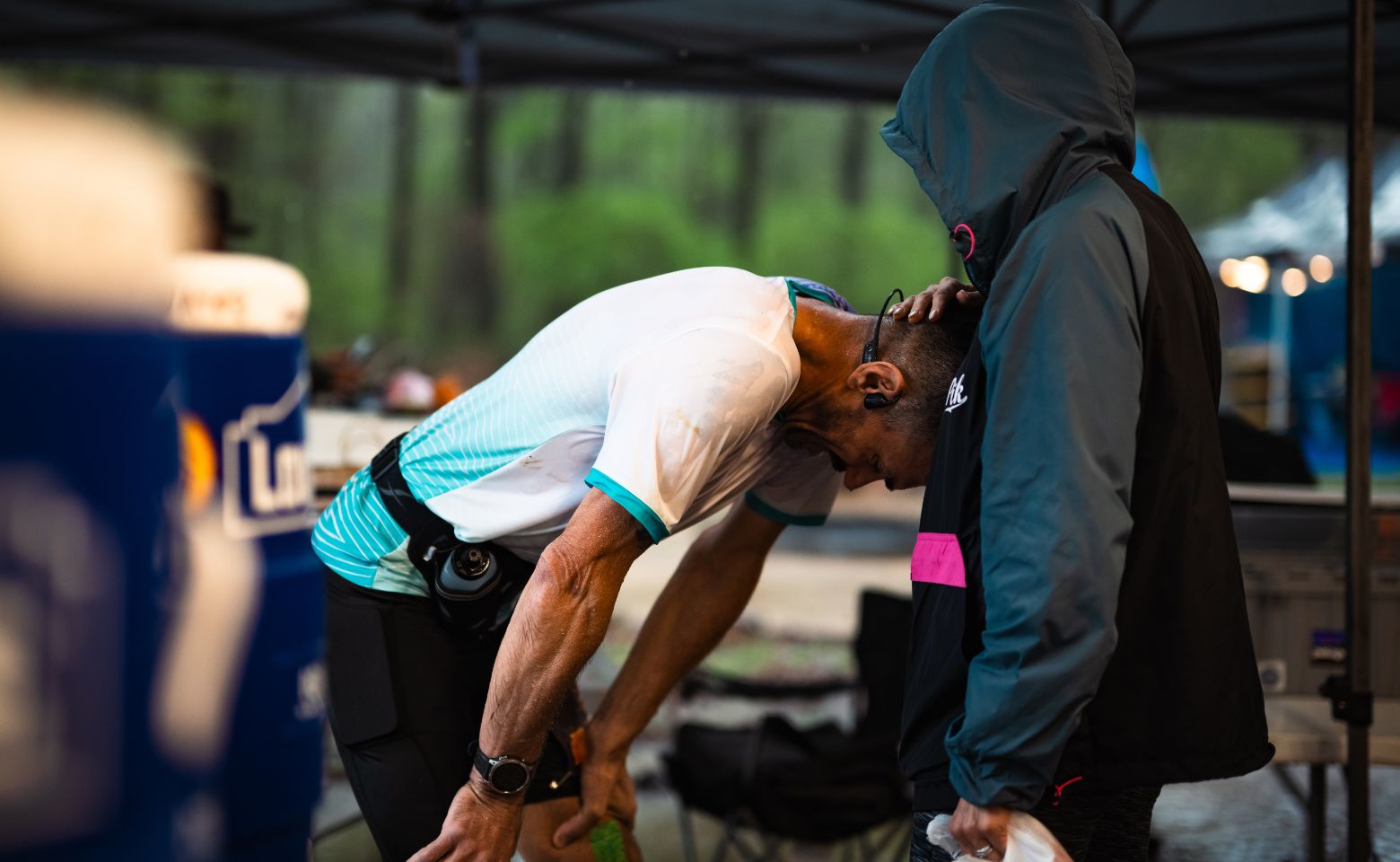
Running events of 200 miles or longer are increasing in popularity year after year. The time and resources necessary for training, traveling, participating in the actual race and recovering from multiple days and nights on foot are significant. This is true not only for the athletes participating but for those who support them, and it’s important to recognize the critical role that crew plays in an athlete’s success in these long events. Here are some simple tips to help with the planning process as well as on-the-ground execution.
Crew & Vehicles
An ideal 200-plus-mile event typically involves two vehicles and two crew teams. Whenever crews can avoid being over-extended, they can more effectively support their runner. Having two vehicles makes it easier to retrieve supplies along the route while the other vehicle and crew remain available for the runner. A major advantage of having two vehicles on course is that it provides two sleeping areas, one for the runner and one for the crew. It’s common for runners to sleep for one or more hours at a time during events of this distance. Later in the race, both crew and runner will likely be fatigued, so it makes sense for everyone to be able to rest comfortably at the same time. This keeps everyone rested and means the crew doesn’t need to remain awake in the midnight hours while their runner is sleeping. Just be sure to keep printed and digitally downloaded maps, course driving directions and race regulations in both vehicles.
Sleep & Self-Care Strategy
Races of this distance often require quite a bit of driving. It goes without saying that this should be done safely and not in a sleep-deprived state. Beyond safe travel, being able to understand what the runner needs, especially when they cannot articulate what those needs are, and make decisions to relieve them of the burden, should be left to the coherent crew members. Therefore, the crew must take care of their physical and psychological needs. Identify opportunities for showers in advance and have plenty of food and meal options for support personnel. Establish a schedule beforehand to designate slots for sleeping and pacing, and who’s in charge of caring for the runner. This may mean a centrally located hotel or Airbnb, camp stoves for cooking along the course and campground facilities for water and showers. While everyone will probably be more tired at the end of the endeavor, the better condition crews are in throughout the day, the easier it will be for them to take care of their runner.
Organize Your Gear
Crews will need to know where to locate their runners’ gear, nutrition and other needs, as a runner should be able to focus on moving forward and having their most basic needs met. They must rest and address their immediate needs when they connect with their crew. Ideally, runners won’t be burdened with needing to know where various items are located in the vehicle; instead, they can simply let their crew know their needs, who can then easily locate the supplies. Therefore, it makes more sense for a runner’s crew to organize the items (usually a substantial amount!) that might be needed throughout the duration of the event. One thing to note is that if everyone is traveling by air, determine what gear will be purchased on location and what will be packed in advance. Lastly, delegate recurring tasks in advance so that everyone is clear on their role without stepping on toes or creating unnecessary redundancies.
Communicate in Advance
It’s much easier to say “yes” to crewing many weeks or months in advance. But everyone should understand the costs involved before committing. These can include financial commitments, time away from work and family, loss of sleep and overseeing the safety of the eventual zombie state of the trail runner. It’s not unheard of to have friends and family agree initially, and then opt out at the last minute. This can be an enormous hurdle for an ultramarathon of this distance. The importance of crew is difficult to overstate when it comes to supporting a runner for multiple-day events. Thus, both racers and potential crew members need to understand the key role that the crew will provide from before the race starts until after the finish line is crossed.
A 200+ mile event is a big endeavor from every angle. They require a lot of time and investment, including energy, finances and planning. Typically, the more that goes into these requirements in advance, the higher the likelihood the runner and crew will have a positive experience. Be deliberate each step of the way so that when race day arrives, everything goes smoothly.