
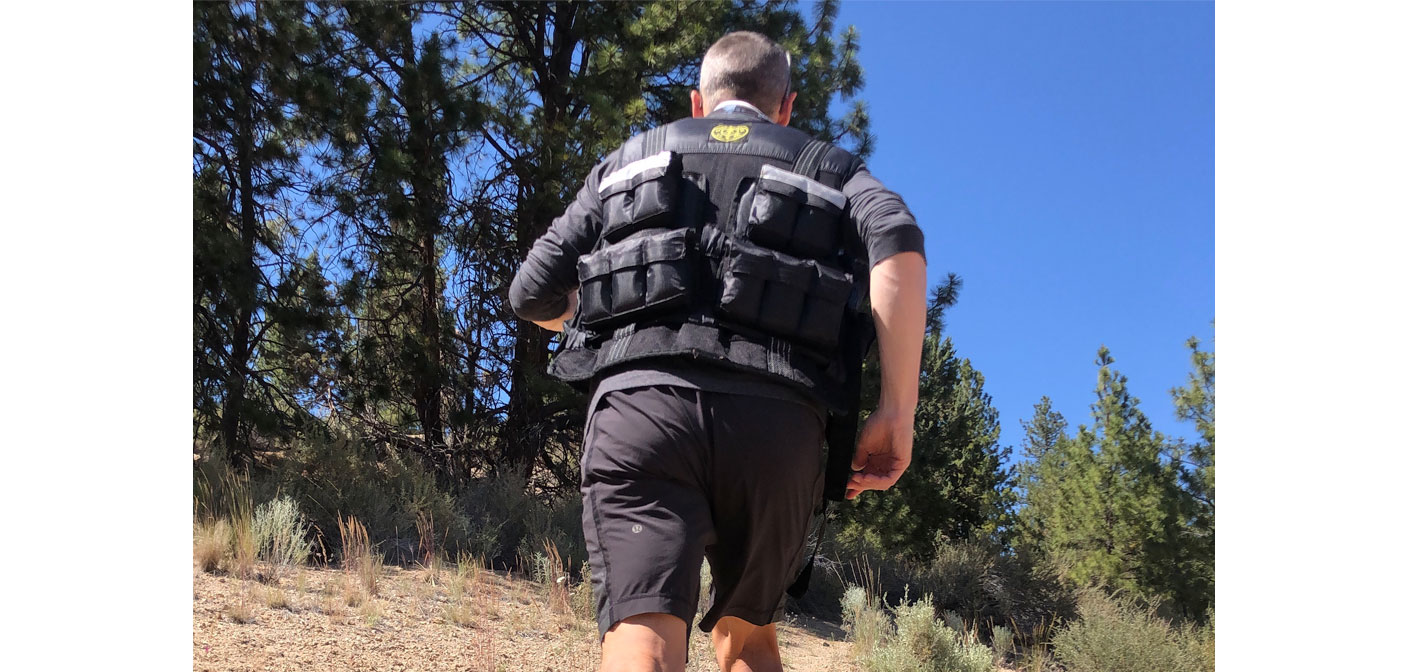
Odds are that for the really long distances, like 100 miles, almost everyone will need to power-hike at some point during a race. To put it in context, each time I won the Leadville Trail 100, I typically power-hiked around 25 miles, showing how necessary this is for front runners and back-of-the-packers, alike.
I’m frequently asked what improves power-hiking most effectively. First, mentality is important. Rethink hiking as a strategic choice before you need to use it, rather than the thing you do when you’re tired and need a break. The key is purposeful practice. Not just walking, but forcing yourself to push the pace almost every time you walk so it becomes a habit. That’s even more important when hikes are included in training runs. Long runs are the time where power-hiking typically fits in best, and where it will mimic race day the most.
Instead of randomly throwing in short power-hiking sections, think about how you can keep your effort level lower and save your legs for later in the run. One of the most obvious places to do this is on uphill efforts, but even for flatter runs the main thing is to choose power-hiking when the effort level first begins to increase, then try to maintain momentum with a more powerful intensity.
What I mentioned above will improve hiking strength and endurance, especially as part of hilly long runs. However, not all runners have access to trails and rugged terrain, especially in cities. I’ve developed many ways to get around this for the runners I coach. One of the best ways is by using a weight vest.
Even for those fortunate enough to live near mountains, weight vests work on the bigger leg muscles as well as the stabilizers, helping to lower the chance of injury on top of raising hiking speed. For city-bound runners, treadmill hiking with a weight vest significantly improves the ability to go uphill and to absorb the pounding of downhills.
How to choose a weight vest
A basic $30 weight vest works fine since it won’t be used for running and doesn’t have to be a snug fit. More comfortable options can set you back hundreds of dollars. Alternatively, use what you already have at home by using two running backpacks, one worn on the front and the other on the back for balancing your center of gravity. A water bladder adds dense weight and can be lightened for downhill hiking to reduce joint and muscle pounding.
How much weight?
This decision depends on your body weight, but the aim isn’t to make it extremely difficult since we’re not preparing to run with a lot of extra weight. Instead, we’re adding a little extra challenge to make hiking feel especially easy on race day. Many cheap weight vests have around 20 pounds of sandbags (the amount I personally use and recommend), which is enough for most people to get an ideal training stimulus. Start with lower weight – just enough that you can feel the extra effort required – and build up over time.
How often should I use the vest?
This can be included on a daily basis in addition to normal training and for most people, the restriction is their ability to fit in another workout rather than exhaustion. Once you’ve used a weight vest regularly for a couple of weeks, just a few of miles at a time, you’ll find that initial muscle aches will fade. At that stage, it means weight vest hiking is easy enough on the body to work as active recovery. Yet, it also adds more volume to your week in a very sustainable way, and helps you be more physically and mentally comfortable with hiking faster.
Other things to bear in mind
The rule of specificity applies to training for any sport – the closer your training is to the actions you want to master, the more benefit you’ll get. You can gain hiking fitness and leg strength by training in the gym, but this is less effective than what you’ll achieve by running and hiking with and without added weight. Besides, most trail runners would prefer to be outside.
Note that your form should be virtually identical to unweighted hiking. When ascending, purposefully practice adjusting your stride length and whether you land on your heel, mid-foot or toes. The gradient and terrain will naturally influence your form, but try to hike on a variety of gradients.
Also, I recommend leaving the straps or zipper undone. This makes it less stable so it swings from side-to-side, thus engaging and strengthening your core muscles to help maintain efficient form when you start to fatigue.
You may look a little strange wearing the vest outside, but the pay-offs on race day are worth it.